



আমার দেখা আন্তর্জাতিক সাংবাদিকতা, গণমাধ্যমের স্বাধীনতা ও সাংবাদিকদের মর্যাদা রক্ষায় এক সংগঠকের ভূমিকা। আমাকে অভিভূত করেছে এবং শক্তির উৎস যুগিয়েছে। সাংবাদিক জাতির বিবেক, সমাজের দর্পণ এবং গণতন্ত্রের অন্যতম প্রধান প্রহরী। সত্য প্রকাশ, জনস্বার্থ রক্ষা, মানবাধিকারের পক্ষে জনমত গঠন এবং রাষ্ট্র ও সমাজের বিভিন্ন স্তরে জবাবদিহি নিশ্চিত করতে সাংবাদিকদের ভূমিকা অপরিসীম। বিশেষ করে গণতান্ত্রিক রাষ্ট্রে স্বাধীন, নিরপেক্ষ ও দায়িত্বশীল গণমাধ্যম ছাড়া গণতন্ত্রের সুস্থ বিকাশ কল্পনা করা কঠিন। কিন্তু সত্য ও ন্যায়ের পক্ষে কলম ধরতে গিয়ে বিশ্বের বিভিন্ন দেশের সাংবাদিকেরা প্রতিনিয়ত নানা প্রতিকূলতা, পেশাগত অনিশ্চয়তা, চাপ এবং নিরাপত্তাঝুঁকির মুখোমুখি হন। এসব চ্যালেঞ্জের মধ্যেও যাঁরা সাংবাদিকতার মর্যাদা রক্ষা, পেশাগত অধিকার প্রতিষ্ঠা এবং সাংবাদিকদের ঐক্য সুদৃঢ় করার লক্ষ্যে কাজ করে যাচ্ছেন, তাঁদের কার্যক্রম আন্তর্জাতিক সাংবাদিক সমাজের মনোযোগ পাওয়ার দাবি রাখে। তুরস্কের ফেথিয়ে সাংবাদিক সমিতির সভাপতি ওসমান বায়কুশ তেমনই একজন সাংবাদিক সংগঠক, যাঁর পেশাগত কর্মকাণ্ড ও গণমাধ্যমের স্বাধীনতা নিয়ে প্রকাশিত বক্তব্য আমার দৃষ্টি আকর্ষণ করেছে। বাংলাদেশের একজন সাংবাদিক সংগঠক ও গবেষক হিসেবে আন্তর্জাতিক সাংবাদিকতা অঙ্গনের কার্যক্রম পর্যবেক্ষণ করতে গিয়ে তাঁর সম্পর্কে জানতে পেরেছি। তাঁর প্রকাশিত বক্তব্য, সাংগঠনিক উদ্যোগ এবং সাংবাদিকদের পেশাগত স্বার্থসংশ্লিষ্ট কর্মকাণ্ড বিশ্লেষণ করে আমার কাছে মনে হয়েছে, সাংবাদিকদের ঐক্য, স্বাধীনভাবে সংবাদ প্রকাশের অধিকার এবং পেশাগত মর্যাদা রক্ষার প্রশ্নে তাঁর ভূমিকা আলোচনার দাবি রাখে। সাংবাদিকতা কেবল সংবাদ সংগ্রহ ও প্রকাশের মধ্যেই সীমাবদ্ধ নয়; এটি মানুষের জানার অধিকার প্রতিষ্ঠা, অন্যায়ের বিরুদ্ধে জনসচেতনতা সৃষ্টি এবং ক্ষমতার জবাবদিহি নিশ্চিত করার একটি গুরুত্বপূর্ণ সামাজিক দায়িত্ব। এই দায়িত্ব যথাযথভাবে পালনের জন্য সাংবাদিকদের যেমন পেশাগত দক্ষতা প্রয়োজন, তেমনি প্রয়োজন স্বাধীনভাবে কাজ করার পরিবেশ, নিরাপত্তা এবং সংগঠিত সহযোগিতা। তুরস্কের মুগলা প্রদেশের ফেথিয়ে অঞ্চলে সাংবাদিকদের সংগঠিত করার ক্ষেত্রে ওসমান বায়কুশের ভূমিকার প্রমাণ পাওয়া যায় বিভিন্ন প্রকাশিত সংবাদ ও সরকারি সূত্রে। ২০২৩ সালের ৭ নভেম্বর মুগলা প্রদেশের গভর্নরের কার্যালয়ে প্রকাশিত এক প্রতিবেদনে ফেথিয়ে সাংবাদিক সমিতির সভাপতি ওসমান বায়কুশ এবং সংগঠনের সদস্যদের গভর্নর ইদ্রিস আকবিয়িক ও ফেথিয়ের জেলা প্রশাসনের প্রতিনিধির সঙ্গে সাক্ষাতের তথ্য উল্লেখ করা হয়। এটি তাঁর সাংগঠনিক পরিচয় ও পেশাগত সম্পৃক্ততার একটি যাচাইযোগ্য দৃষ্টান্ত। ২০২৫ সালের ২৪ জুলাই গণমাধ্যমের স্বাধীনতা ও সাংবাদিকদের পেশাগত ঐক্য নিয়ে প্রকাশিত তাঁর বক্তব্যেও সাংবাদিকতার স্বাধীনতা, সংবাদ প্রকাশে প্রতিবন্ধকতা এবং সাংবাদিকদের অধিকার রক্ষার বিষয় গুরুত্ব পায়। তাঁর বক্তব্যে প্রতিফলিত হয়েছে, সাংবাদিকদের পেশাগত সংকট মোকাবিলায় পারস্পরিক সহযোগিতা ও সম্মিলিত উদ্যোগ অপরিহার্য। বর্তমান বিশ্বে এই উপলব্ধি বিশেষ তাৎপর্যপূর্ণ। কারণ, স্বাধীন সাংবাদিকতা বাধাগ্রস্ত হলে শুধু সাংবাদিকের পেশাগত অধিকারই ক্ষতিগ্রস্ত হয় না, সাধারণ মানুষের নির্ভরযোগ্য তথ্য পাওয়ার অধিকারও সংকুচিত হয়। ২০২৬ সালের ২৮ জুন ফেথিয়ে সাংবাদিক সমিতির উদ্যোগে আয়োজিত একটি পেশাগত তথ্যবিষয়ক সম্মেলনে স্থানীয় সাংবাদিকতার ভবিষ্যৎ, ডিজিটাল সাংবাদিকতা, সামাজিক যোগাযোগমাধ্যম এবং পেশাগত সংগঠনের ভূমিকা নিয়ে আলোচনা হয়। প্রকাশিত প্রতিবেদন অনুযায়ী, সম্মেলনে ওসমান বায়কুশ উদ্বোধনী বক্তব্য দেন। এসব উদ্যোগ থেকে বোঝা যায়, সাংবাদিকতার পরিবর্তনশীল বাস্তবতায় পেশাগত আলোচনা, অভিজ্ঞতা বিনিময় এবং সংগঠিত সহযোগিতার গুরুত্ব ক্রমেই বাড়ছে। আমার বিবেচনায়, একজন সাংবাদিক নেতার প্রকৃত পরিচয় শুধু তাঁর পদবি কিংবা সাংগঠনিক পরিচিতিতে সীমাবদ্ধ নয়; বরং সহকর্মীদের সমস্যা উপলব্ধি করা, পেশাগত মর্যাদা রক্ষায় উদ্যোগ নেওয়া এবং স্বাধীন সাংবাদিকতার পরিবেশ তৈরিতে ভূমিকা রাখার মধ্যেই তাঁর নেতৃত্বের তাৎপর্য নিহিত। ওসমান বায়কুশের প্রকাশিত বক্তব্য ও সাংগঠনিক কার্যক্রমে এসব বিষয়ের উপস্থিতি লক্ষণীয়। তবে আন্তর্জাতিক মানের সাংবাদিকতায় ব্যক্তিগত মূল্যায়নের পাশাপাশি তথ্যের নির্ভুলতা, সূত্রের বিশ্বাসযোগ্যতা এবং নিরপেক্ষ বিশ্লেষণ বজায় রাখা অপরিহার্য। তাঁর জন্মতারিখ, শিক্ষাগত যোগ্যতা, সাংবাদিকতা জীবনের সূচনা, কর্মরত সংবাদমাধ্যম এবং পূর্ণাঙ্গ কর্মজীবন সম্পর্কে নির্ভরযোগ্য তথ্য আরও সংগ্রহ করা গেলে তাঁর জীবনীভিত্তিক মূল্যায়ন সমৃদ্ধ হবে। তাই যাচাই করা তথ্যের বাইরে কোনো ব্যক্তিগত বিবরণ যুক্ত না করাই সাংবাদিকতার নৈতিকতার সঙ্গে সামঞ্জস্যপূর্ণ। আজকের বিশ্বে সাংবাদিকদের সামনে নতুন নতুন চ্যালেঞ্জ তৈরি হচ্ছে। ডিজিটাল প্রযুক্তির দ্রুত বিকাশ সংবাদ পরিবেশনের সুযোগ বাড়িয়েছে, কিন্তু একই সঙ্গে ভুল তথ্যের বিস্তার, সংবাদ যাচাইয়ের জটিলতা, অর্থনৈতিক অনিশ্চয়তা এবং অনলাইন হয়রানির মতো সমস্যাও সামনে এনেছে। এসব চ্যালেঞ্জ মোকাবিলায় সাংবাদিকদের পেশাগত দক্ষতা বৃদ্ধি, নৈতিক মানদণ্ড অনুসরণ এবং আন্তর্জাতিক সহযোগিতা জোরদার করা অত্যন্ত জরুরি। বাংলাদেশের সাংবাদিকদের সঙ্গে তুরস্কসহ বিশ্বের বিভিন্ন দেশের সাংবাদিকদের যোগাযোগ ও অভিজ্ঞতা বিনিময় বাড়লে পারস্পরিক বোঝাপড়া, পেশাগত সহযোগিতা এবং সাংবাদিকদের অধিকার সম্পর্কে সচেতনতা আরও শক্তিশালী হতে পারে। ওয়ার্ল্ড ইন্টারন্যাশনাল প্রেসক্লাবের সভাপতি হিসেবে আমি মনে করি, আন্তর্জাতিক সাংবাদিক সংহতি প্রতিষ্ঠার ভিত্তি হওয়া উচিত পারস্পরিক শ্রদ্ধা, পেশাগত সততা, স্বাধীন মতপ্রকাশ এবং সাংবাদিকদের নিরাপত্তা ও মর্যাদার প্রতি সম্মিলিত অঙ্গীকার। কোনো দেশের সাংবাদিকের সমস্যা কেবল সেই দেশের অভ্যন্তরীণ বিষয় হিসেবে দেখার সুযোগ নেই; সাংবাদিকতার স্বাধীনতা ও নিরাপত্তা বিশ্বজুড়ে জনস্বার্থ এবং মানবাধিকারের সঙ্গে সম্পর্কিত। তবে আন্তর্জাতিক সংহতি অর্থ শুধু আনুষ্ঠানিক যোগাযোগ নয়; এর অর্থ হলো অভিজ্ঞতা ভাগাভাগি, পেশাগত সক্ষমতা বৃদ্ধি, অধিকার সম্পর্কে সচেতনতা এবং সংকটের সময় ন্যায়সংগত অবস্থানের পক্ষে কথা বলা। আমার দেখা ও পর্যবেক্ষণে ওসমান বায়কুশ এমন একজন সাংবাদিক সংগঠক, যাঁর কর্মকাণ্ড সাংবাদিকদের ঐক্য ও পেশাগত অধিকার নিয়ে আরও গভীরভাবে ভাবতে উৎসাহিত করে। তাঁর কাজকে আন্তর্জাতিক পরিসরে তুলে ধরার উদ্দেশ্য কোনো অতিরঞ্জিত প্রশংসা নয়; বরং সাংবাদিকদের সংগঠিত ভূমিকা, স্বাধীন গণমাধ্যমের গুরুত্ব এবং পেশাগত সহযোগিতার প্রয়োজনীয়তা সম্পর্কে সচেতনতা বৃদ্ধি করা। আমি বিশ্বাস করি, বিশ্বের সাংবাদিকেরা ভাষা, সংস্কৃতি ও ভৌগোলিক সীমারেখায় বিভক্ত হলেও সত্য প্রকাশ, মানুষের অধিকার রক্ষা এবং জনস্বার্থ প্রতিষ্ঠার নীতিতে তাঁদের একটি অভিন্ন অবস্থান রয়েছে। সেই অভিন্ন অবস্থানকে শক্তিশালী করতে সাংবাদিক সংগঠনগুলোর মধ্যে কার্যকর যোগাযোগ, গবেষণাভিত্তিক আলোচনা এবং পারস্পরিক সহযোগিতা আরও বাড়ানো প্রয়োজন। সাংবাদিকতা কোনো ব্যক্তিগত স্বার্থের হাতিয়ার নয়; এটি জনগণের জানার অধিকার প্রতিষ্ঠা এবং সমাজকে সত্যের মুখোমুখি দাঁড় করানোর এক গুরুত্বপূর্ণ দায়িত্ব। তাই সাংবাদিকদের স্বাধীনতা, নিরাপত্তা, মর্যাদা ও অধিকার রক্ষায় যাঁরা নিজ নিজ অবস্থান থেকে কাজ করছেন, তাঁদের ভূমিকা যথাযথ তথ্য ও প্রমাণের ভিত্তিতে আন্তর্জাতিক পরিসরে তুলে ধরা জরুরি। তুরস্কের ফেথিয়ে সাংবাদিক সমিতির সভাপতি ওসমান বায়কুশের পেশাগত ও সাংগঠনিক কার্যক্রম সেই বৃহত্তর আলোচনার একটি প্রাসঙ্গিক উদাহরণ। আমার প্রত্যাশা, বিশ্বব্যাপী সাংবাদিক সংগঠনগুলোর মধ্যে পারস্পরিক সহযোগিতা আরও শক্তিশালী হবে এবং সাংবাদিকেরা পেশাগত মতপার্থক্য অতিক্রম করে সত্য, ন্যায়, মানবাধিকার ও স্বাধীন সাংবাদিকতার পক্ষে ঐক্যবদ্ধভাবে কাজ করবেন। কারণ, সাংবাদিকের কলম স্বাধীন থাকলে মানুষের কণ্ঠস্বর শক্তিশালী হয়, আর সাংবাদিকতার মর্যাদা রক্ষিত হলে গণতন্ত্র ও মানবাধিকারের ভিত্তিও আরও সুদৃঢ় হয়।
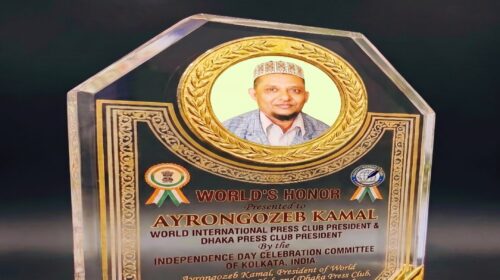
লেখক ও গবেষক: আওরঙ্গজেব কামাল
সভাপতি, ওয়ার্ল্ড ইন্টারন্যাশনাল প্রেসক্লাব ও ঢাকা প্রেসক্লাব,বাংলাদেশ।
Osman Baykus of Türkiye: A Journalist Leader Whose Commitment to Press Freedom and Professional Dignity Inspires Me
By Awrangzeb Kamal :
Journalists are the conscience of a nation, the mirror of society, and among the most important guardians of democracy. Their responsibility extends beyond gathering and reporting news; they play a vital role in upholding the public’s right to know, defending human rights, exposing injustice, and ensuring accountability at every level of society. Without a free, independent, and responsible media, the healthy development of democracy remains difficult to achieve.
Yet journalists around the world continue to face professional uncertainty, external pressure, harassment, and threats to their safety while striving to uphold truth and justice. In this challenging environment, the contributions of those who work to protect press freedom, strengthen professional solidarity, and uphold the dignity of journalists deserve recognition and thoughtful examination.
Among the journalist leaders whose professional activities have drawn my attention is Osman Baykus, President of the Fethiye Journalists Association in Türkiye. As a Bangladeshi journalist, researcher, and press freedom advocate, I have followed developments in international journalism with a particular interest in the role of professional organisations in protecting journalists’ rights. My observations of his published statements and organisational activities have encouraged me to reflect more deeply on the importance of leadership, unity, and cooperation within the global journalistic community.
A Commitment to Journalists’ Professional Interests
Journalism is not merely a profession; it is a public responsibility that requires integrity, courage, impartiality, and a strong commitment to the truth. To fulfil this responsibility, journalists need not only professional competence but also a safe working environment, freedom from undue interference, and the support of effective professional organisations.
Osman Baykus’s activities in the Fethiye region of Muğla Province, Türkiye, provide relevant examples of professional engagement within the local journalistic community.
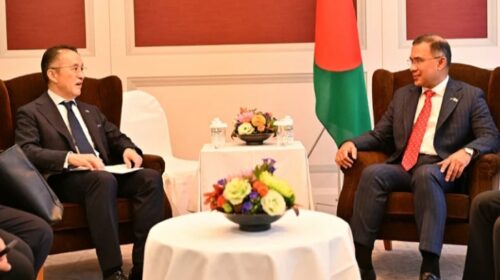
According to a report published by the Muğla Governor’s Office on 7 November 2023, Osman Baykus, along with members of the Fethiye Journalists Association, met with Muğla Governor Idris Akbiyik and representatives of the Fethiye district administration. This meeting offers a documented example of the association’s institutional engagement and its interaction with public authorities.
His published remarks on 24 July 2025 concerning press freedom, professional solidarity, and the challenges facing journalists also drew attention to issues central to independent journalism. These themes reflect the continuing importance of collective action and mutual support in addressing the professional difficulties encountered by media practitioners.
Furthermore, a professional information conference organised by the Fethiye Journalists Association on 28 June 2026 reportedly addressed the future of local journalism, digital media, social networking platforms, and the role of professional organisations. Osman Baykus delivered the opening remarks at the event, highlighting the importance of professional discussion and cooperation in a rapidly changing media environment.
Taken together, these activities illustrate the significance of professional associations as platforms for dialogue, experience-sharing, and the advancement of journalists’ collective interests.
Leadership Beyond Titles
In my view, the true measure of a journalist leader lies not simply in a title or organisational position, but in the ability to understand colleagues’ concerns, encourage professional cooperation, and contribute to an environment in which journalists can work independently and responsibly.
The activities and public statements associated with Osman Baykus provide a meaningful basis for discussing these responsibilities. His organisational role offers an example of how local journalist associations can contribute to broader conversations about press freedom, professional dignity, and the challenges confronting modern journalism.
At the same time, an internationally credible assessment of any journalist leader must be grounded in verified information, reliable sources, and balanced analysis. Further documentation of his educational background, career history, professional achievements, and media affiliations would help develop a more comprehensive account of his life and contributions. Maintaining this distinction between verified facts and personal observations is essential to responsible journalism.
The Changing Landscape of Global Journalism
Journalism is undergoing profound transformation. Digital technology has expanded opportunities for gathering and distributing information, enabling journalists to reach audiences across national borders with unprecedented speed. However, these developments have also brought challenges, including the spread of misinformation, online harassment, economic insecurity, and increasing difficulties in verifying information.
Addressing these challenges requires continuous professional development, adherence to ethical standards, stronger institutional support, and greater international cooperation.
For journalists in Bangladesh and Türkiye, as well as those in other countries, the exchange of professional experience can create opportunities for mutual understanding and collaboration. Such engagement can strengthen awareness of journalists’ rights, promote professional standards, and encourage collective efforts to defend independent journalism.
As President of the World International Press Club, I believe that international journalistic solidarity must be founded on mutual respect, professional integrity, freedom of expression, and a shared commitment to journalists’ safety and dignity.
Press freedom is not merely a domestic concern for any individual country. It is closely connected to the public’s right to information, the protection of human rights, and the accountability of institutions worldwide. When journalists are threatened or prevented from reporting freely, the consequences extend beyond the individual journalist to the wider society that depends on credible information.
International solidarity, therefore, must go beyond formal relationships and ceremonial exchanges. It should involve sharing professional knowledge, strengthening journalistic skills, raising awareness of rights, and supporting principled efforts to protect journalists when they face professional risks or unjust treatment.Building Bridges Across Borders
My observations of Osman Baykus’s professional and organisational activities have encouraged me to consider more deeply how journalist leaders can contribute to a culture of cooperation and professional responsibility.
The purpose of highlighting his work is not to offer exaggerated praise, but to draw attention to the wider significance of journalist organisations and their potential role in protecting press freedom, strengthening professional relationships, and advancing the legitimate interests of media practitioners.
Although journalists may differ in language, culture, political circumstances, and geographical location, they share fundamental responsibilities: seeking the truth, serving the public interest, defending human rights, and ensuring that the voices of ordinary people are heard.
These shared principles provide a strong foundation for cooperation among journalist associations worldwide. By building meaningful professional relationships, encouraging research-based discussions, and exchanging knowledge and experience, journalist organisations can help create a stronger international network dedicated to press freedom and professional dignity.
Such cooperation is particularly important at a time when journalists in many parts of the world face uncertainty and growing professional challenges. A united and responsible journalistic community can play a constructive role in promoting ethical reporting, improving professional standards, and advocating for the safety and rights of media workers.The Responsibility to Protect Press Freedom
Journalism must never become merely an instrument of personal or institutional interests. Its fundamental purpose is to serve the public, uphold the right to know, and bring facts and issues of public importance to light.
For this reason, the contributions of individuals and organisations working to protect journalists’ freedom, safety, dignity, and professional rights should be documented and presented to the international community on the basis of credible evidence and fair analysis.
The professional and organisational activities of Osman Baykus, President of the Fethiye Journalists Association in Türkiye, provide a relevant example for this broader discussion. His work invites further reflection on the importance of local journalist organisations and their place within the wider movement for press freedom and international professional solidarity.
I sincerely hope that cooperation among journalist organisations across the world will continue to grow. I also hope that journalists, despite professional differences and geographical boundaries, will remain united in their commitment to truth, justice, human rights, and independent journalism.
Ultimately, when journalists are free to work without fear, the voices of the people become stronger. When the dignity and rights of journalists are protected, the foundations of democracy, transparency, and human rights become stronger as well.
The future of journalism depends not only on the courage of individual reporters but also on the collective determination of journalist leaders and organisations to defend the principles that make a free press indispensable to society.
Author and Researcher: Awrangzeb Kamal
President, World International Press Club (WIPC) and Dhaka Press Club
Bangladesh